
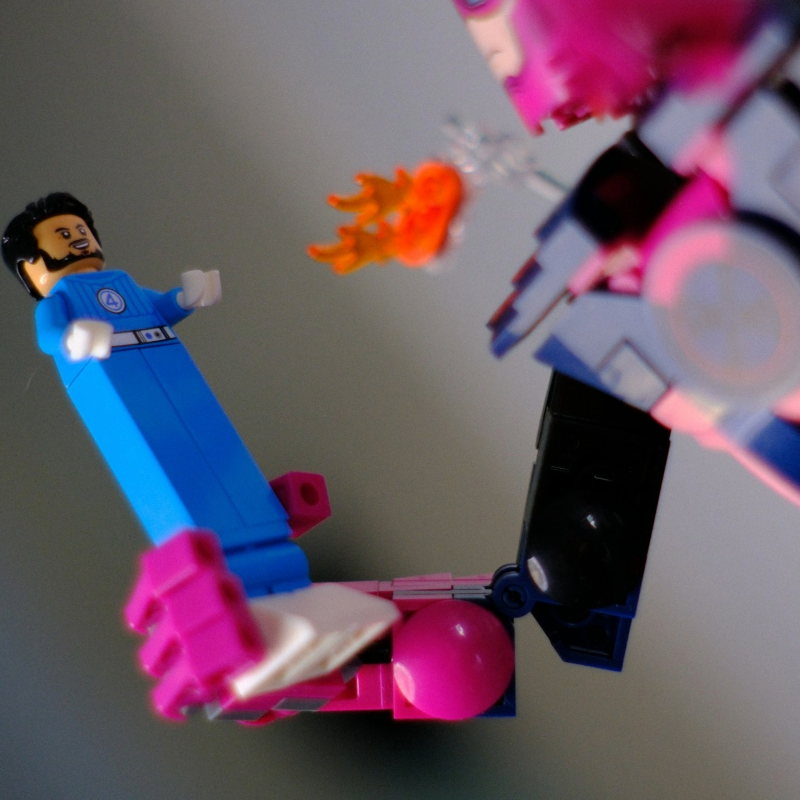

One of the biggest misconceptions about storytelling is that the antagonist must be another human being.
In content writing, that’s rarely the case. Instead, antagonists often appear as invisible obstacles such as:
- Confusion
- Fear
- Outdated advice
- Bad habits
- Time constraints
- Information overload
- Self-doubt
- Bureaucracy
- Inefficient systems
- Market uncertainty
- Rising competition
- Complexity
These are the true villains your audience battles every day.
Think about this: A productivity app isn’t fighting other productivity apps; it’s fighting procrastination.
A financial newsletter isn’t fighting competing newsletters; it’s fighting uncertainty and misinformation.
A cybersecurity company isn’t merely selling software; it’s protecting businesses against unseen threats.
In these scenarios, the product isn’t the story. The conflict is.
Many brands make the mistake of positioning rival companies as the enemy. Sometimes that works, but most of the time, it feels petty.
Picture this: Nike rarely frames its messaging around defeating Adidas. Instead, it challenges self-imposed limits.
Slack didn’t become successful because it attacked Microsoft or email providers directly. It positioned endless email chains and fragmented workplace communication as the obstacle preventing productive collaboration.
Clearly, in both cases, the antagonist became inefficiency, not another company. That’s a much larger—and more relatable—battle.
Great Content Gives Readers Someone or Something to Root Against
You see, people don’t just enjoy rooting for heroes; they enjoy rooting against obstacles.
Imagine this article opening:
“Our software helps businesses become more efficient.”
Sure, you could say this is accurate, but it is also forgettable.
Meanwhile:
“Every week, thousands of professionals lose hours searching for files they have already created. Meetings multiply. Emails pile up. Deadlines slip—not because teams aren’t talented, but because chaos quietly takes over.”
Suddenly, readers have identified the villain.
Chaos. Disorganization. Lost time.
Now, they’re emotionally invested in defeating it.
So, as a writer, how can you shape your target audience’s decisions by using this technique?
-
Don’t Turn the Antagonist into Fearmongering
There’s a fine line between highlighting a problem and exploiting anxiety. However, a truly effective copy doesn’t create unnecessary panic.
The goal isn’t to leave readers feeling helpless. It’s to help them recognize the obstacle and believe there’s a path forward.
Basically, readers should finish your content thinking:
“That’s exactly what I’ve been struggling with.”
-
Build Conflict Before You Reveal the Solution
Imagine watching a detective movie where the criminal is revealed in the first five minutes…
There would be little reason to continue watching.
Likewise, if your article immediately introduces your product, service, or conclusion without first establishing the problem, readers haven’t had time to emotionally connect.
So, build tension first. Show the cost of inaction. Illustrate the frustration. Help readers recognize themselves in the struggle.
When readers emotionally experience the problem, they appreciate the solution far more.
-
Make the Antagonist Specific
Vague enemies produce vague writing. Instead of saying:
“Businesses face challenges.”
Be specific.
“The average knowledge worker spends hours every week searching for information scattered across emails, documents, messaging apps, and shared drives.”
Specificity creates credibility. Readers recognize real-life struggles because they’ve lived them.
-
Let the Antagonist Evolve
The most memorable stories don’t feature a one-dimensional villain. The conflict becomes more complex as the story unfolds.
Your content can do the same!
Perhaps the initial problem appears to be poor time management. As the article progresses, readers realize the deeper issue is unclear priorities.
… or maybe the real obstacle isn’t AI replacing writers but writers refusing to evolve alongside AI.
Revealing a deeper antagonist gives your content more depth and leaves readers with fresh insight rather than familiar advice.
-
Your Brand Isn’t the Hero
Too many companies cast themselves as the main character. However, audiences rarely see brands that way.
Your customer IS the hero. They’re facing the antagonist.
Your brand simply provides the tools, knowledge, guidance, or confidence needed to overcome it.
Think of yourself as the mentor… like Yoda… Gandalf… or the wise coach who equips the hero for the journey.
When brands stop trying to steal the spotlight, customers become far more willing to listen.
You see, the best content doesn’t merely educate. It creates momentum.
… and momentum almost always begins with conflict.
Every article, campaign, newsletter, landing page, or social media post becomes more compelling when readers can clearly identify what’s standing between them and the future they want.
Sometimes, that antagonist is fear.
Sometimes, it’s misinformation.
Sometimes, it’s outdated thinking.
Sometimes, it’s simply inertia.
Whatever form it takes, naming the obstacle gives readers something incredibly valuable: a reason to keep reading.
After all, people rarely remember information. They remember stories.
… and every unforgettable story begins when someone decides to confront the thing standing in their way.
So, the next time you sit down to write, don’t start by asking:
“What do I want to say?”
Instead, ask yourself:
“Who—or what—is the villain my audience is trying to defeat?”
Answer that well, and your content won’t just inform; it’ll also inspire readers to turn the page, click the button, share the post, and take action.
About The Dynamic Marketing Communiqué’s
“Wednesdays: Write with the Pen of the Masters”
Who doesn’t find content writing to be a skill that requires a lot of practice and effort?
In fact, many people may even find copywriting very intimidating.
However, you can be a good writer as long as you have the right tools. You won’t always get things right the first time, but with enough time and practice, you’ll get the hang of it!
When you write copy for any brand or for your company, your aim is to make an impact and…
… to get people to remember.
Getting people to remember means getting consumers to buy your product or avail of your service.
… and when you get your content to deliver the results you want, THAT is great copy!
Every Wednesday, we publish content based on tips and insights from the masters of content writing, copywriting, and storytelling.
Become more familiar with ways to write great copy that helps you gain ROI from your efforts, drive profitability, and achieve your business goals.
Learn time-tested tactics that better capture the attention of your target audience, and maximize the benefits of great copywriting.
Hope you find this week’s insights interesting and helpful.
Stay tuned for next Wednesday’s “Write with the Pen of the Masters!”
Cheers,
Dyane Diasanta
Senior Content Writer
Valens Dynamic Marketing Capabilities
Powered by VX Dynamic
www.vxdynamic.com
