

Human memory isn’t built like a spreadsheet. It’s built through association.
Have you ever thought about why a certain smell reminds you of somewhere, a certain sound reminds you of someone, or a certain texture reminds you of an experience?
That’s because the senses are deeply connected to emotion and long-term memory.
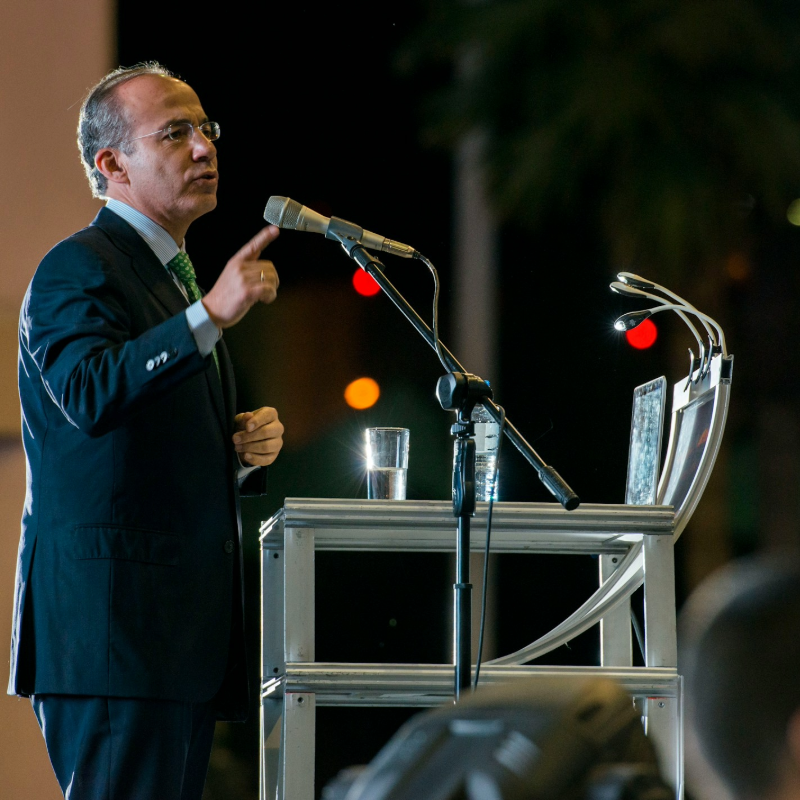
In public speaking, when speakers activate multiple senses, listeners don’t have to work as hard to understand the message. Their imagination fills in the blanks automatically.
Instead of processing words, they begin living the story.
That’s why childhood memories often come rushing back after smelling sunscreen, hearing an old song, or tasting a familiar family recipe.
In other words, sensory details create emotional shortcuts.
… and great speakers use these shortcuts intentionally.
A sensory anchor is a vivid description that activates one or more of the five senses—sight, sound, smell, taste, or touch—to help your audience mentally experience your message instead of merely hearing it.
Instead of presenting abstract information, you wrap your ideas in sensory details that allow listeners to “step inside” the story.
Note: You don’t need to activate every sense in every speech. Sometimes, ONE carefully chosen detail is enough.
Take a look at how you can effectively use these anchors in your talk:
-
Visual Anchors
Instead of saying:
“Our company grew rapidly.”
Try:
“Three years ago we worked around one small conference table. Today every floor of our building buzzes with new teams solving bigger challenges.”
See? Paint pictures. Your audience’s imagination will do the rest.
-
Sound Anchors
Instead of:
“The room became tense.”
Try:
“The room fell silent except for the soft clicking of pens and the steady hum of the air conditioner.”
Sound creates atmosphere almost instantly.
Smell Anchors
Smell is one of the strongest memory triggers humans have.
Consider:
“The scent of fresh rain drifting through an open window reminded us that every storm eventually passes.”
See what happened there? Even brief references to smell can create vivid emotional responses.
Taste Anchors
Taste often represents emotion, celebration, comfort, or disappointment.
Imagine saying:
“Success wasn’t sweet at first. It tasted more like burnt coffee after late nights and countless revisions.”
Here, taste becomes metaphor while remaining deeply relatable.
Touch Anchors
Touch creates physical empathy. Instead of saying:
“I was nervous.”
Say:
“My hands were cold. My notes trembled ever so slightly, and I could feel my heartbeat pressing against my shirt.”
This way, listeners don’t just understand your anxiety; they also feel it.
Here’s the thing: A common mistake is believing every sentence must overflow with description.
It shouldn’t.
Too many sensory details can become distracting.
Instead, think of sensory anchors like seasoning in cooking: A little transforms the entire dish. Too much overwhelms it.
Additionally, different senses naturally reinforce different feelings:
- Bright colors often communicate excitement.
- Silence can communicate tension.
- Warm sunlight suggests comfort.
- Cold wind suggests uncertainty.
- Fresh bread evokes home.
- Ocean waves inspire calm.
- Thunder signals danger.
- Soft blankets evoke safety.
Selecting the right sensory detail strengthens your emotional message without needing extra explanation.
Here’s a helpful exercise…
Before telling any story, close your eyes and ask yourself:
- What did I actually see?
- What sounds were there?
- Was there a particular smell?
- What textures did I notice?
- Was there a memorable taste?
- What emotion did my body feel?
Then, choose only one or two details. Those details become your anchors.
Ironically, the fewer details you choose, the stronger each one becomes.
Just a reminder, though: Don’t force sensory details where they don’t belong, as people quickly recognize exaggerated language.
If every cup of coffee becomes “an aromatic symphony dancing across the senses,” audiences may start rolling their eyes.
Besides, authenticity ALWAYS wins.
Use sensory details not because they sound poetic but because they’re true. Simple, authentic descriptions often have the greatest impact.
Why the Greatest Speakers Feel Cinematic
When people describe unforgettable speakers, they often say things like:
“I could picture everything.”
“It felt like I was there.”
“I could almost hear what they heard.”
Notice they rarely compliment vocabulary first; they talk about experience.
That’s because remarkable speakers function more like filmmakers than lecturers.
Instead of projecting slides, they project mental movies… and sensory anchors are one of the most powerful tools for creating those movies.
—
You see, experiences have a remarkable way of staying with us long after the final applause.
So, the next time you prepare a presentation, don’t just ask yourself:
“What do I want my audience to know?”
Ask something far more powerful:
“What do I want them to see, hear, feel, smell, or taste?”
After all, when people can experience your message with their senses, they won’t just remember your speech.
They’ll remember how it made them feel, and that’s the kind of communication that truly lasts.
About The Dynamic Marketing Communiqué’s
“Thursdays: Speak on the Shoulders of Giants”
In a meeting with one person…
… a boardroom with five people…
… or a huge venue with hundreds of people…
—whatever the situation or setting, it’s very important to learn and eventually master the art of public speaking.
No matter what, you always need to effectively get your message across.
What good is a presentation with awesome content if you don’t deliver it properly?
Every Thursday, we publish different tips, insights, and secrets on how you can improve your presentation skills to captivate your audience and lead interesting discussions.
The need for great presentation skills applies EVERYWHERE.
(Small meetings with your team, big meetings with your boss, an important marketing pitch, speaking engagements for events with a big audience, etc.)
Learning these skills is not just for the corporate world. Being in other industries such as the Arts, Information Technology, Medicine, and Education while knowing how to communicate and present well will definitely give you an edge.
Have that advantage.
Hope you find this week’s public speaking tip interesting and helpful.
Stay tuned for next Thursday’s “Speak on the Shoulders of Giants!”
Cheers,
Henry Desai
Managing Director
Valens Dynamic Marketing Capabilities
Powered by VX Dynamic
www.vxdynamic.com
