

Beer is one of the most popular and consumed beverages in the world. According to Kirin, the world collectively consumed 194 million kiloliters of this alcoholic drink in 2024.
As it turns out, China consumed the most beer that year.
What’s more?
The world’s second most populated country has led the world in beer consumption since 2003!
Needless to say, beer is a popular beverage in China and could even be considered a staple among the Chinese.
While that seems like a good thing for beer makers due to the breadth and size of the country’s market, it also represents a massive challenge: Many brands have to compete amongst each other to capture a significant share of China’s domestic beer market.
The result?
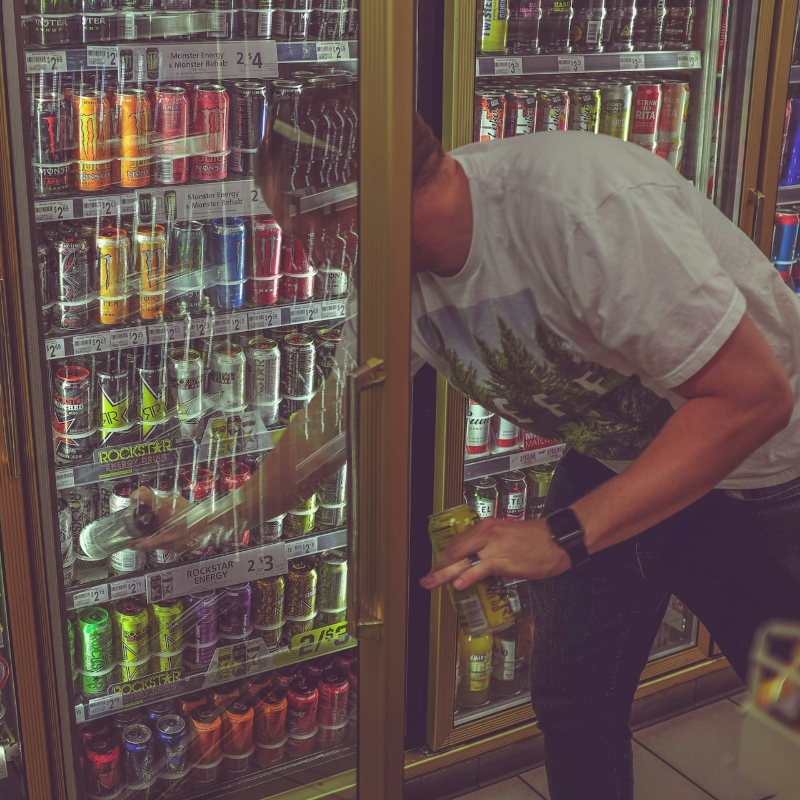
Overly stocked fridges filled to the brim with beer, making it difficult for one product to stand out due to the sheer number of options available.
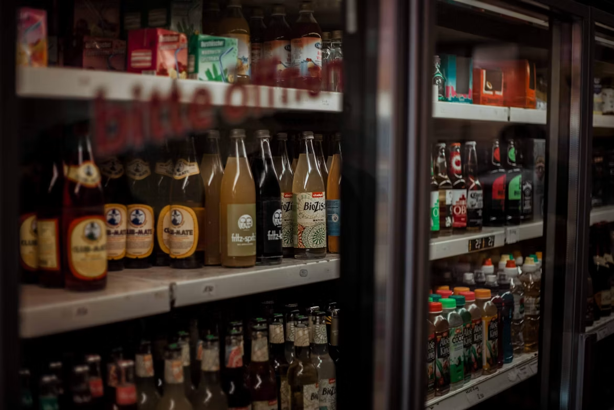
Photo from Unsplash
In an environment such as this, placement becomes key, and can even make or break product sales.
Harbin Beer, China’s oldest brewery, knew this problem well.
While it enjoyed the status of being the country’s oldest beermaker, that doesn’t mean the brand didn’t have its fair share of competitors.
That’s why in 2025, it changed how the shelf placement game was played.
Here’s how…
The Back Rack “Hack”
Brands typically compete for front-row placement in store fridges, as consumers naturally reach for the most accessible products.
This reality is also true for China. Brands there tend to compete for front-row visibility to secure sales, especially in corner stores, where Harbin Beer derives over 60% of its sales.
However, instead of competing for the front shelf, Harbin Beer defied retail logic.
How?
By targeting the back of store fridges!
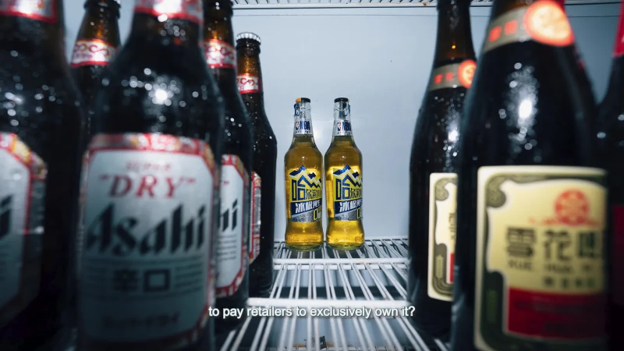
Image from D&AD
Harbin Beer, together with its creative partner BBDO China, designed a display rack specifically for this purpose.
This ice-mountain-inspired rack was fitted with a spring-loaded mechanism that automatically pushes the next beer when the one beside it is taken. This custom rack could also fit different types of fridges.
More importantly, this was provided to stores free of charge.
If you want to see this custom rack in action, here’s a YouTube video showing how the contraption worked.
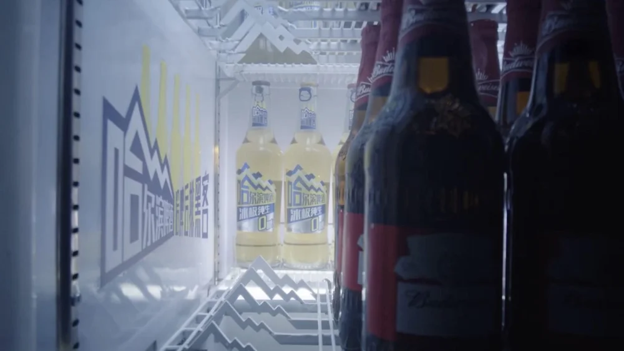
Image from Activation Ideas
Now you know how Harbin Beer’s custom racks work… but why exactly did it put its products at the back of the queue?
Well, the reasoning behind it has to do with consumer behavior and location.
Beers are best enjoyed cold, and Harbin Beer discovered that drinks placed at the back are 6.5 ℃ cooler than those placed in front.
Meanwhile, store fridges, especially those in southern Chinese towns, are placed in areas illuminated by direct sunlight.
Equipped with those insights, Harbin Beer and BBDO China defied product placement and retail logic.
… but was this tactic successful?
The results speak for themselves:
- Harbin Beer sales in participating stores rose by 18.7%.
- Foot traffic rose by 20%.
Aside from uplift in sales and foot traffic, the campaign got positive attention from awards-giving bodies like D&AD and well-known creative industry publications like The Drum and Little Black Book Online.
Talk about a successful campaign!
Clearly, Harbin Beer’s “Back Rack Hack” succeeded because of its creativity.
… and if you’re looking for a way to generate hype and engage with your target audience in creative ways, consider taking inspiration from Harbin Beer.
As its campaign has shown, standing out in a highly competitive space requires out-of-the-box thinking. Sometimes, the best way to go about that is to put a creative spin on what you already know about your audience!
About The Dynamic Marketing Communiqué’s
“Fridays: Gorillas of Guerrilla Marketing”
Jay Conrad Levinson (1984) said that Guerrilla Marketing “works because it’s simple to appreciate, easy to execute, and inexpensive.”
Guerrilla Marketing is unconventional.
Looking beyond the traditional ways of advertising, marketers and advertisers need to spice things up in order for their brand to have campaigns that not only make an impact but also stick to their target market’s mind.
Guerrilla Marketing usually aims to have direct contact with consumers.
This type of direct contact should spark an emotional reaction that leads to consumers effectively remembering the brand.
It’s about making a big impression and making that impression last a long time (if not forever).
Guerrilla Marketing can be inexpensive.
The effect of this is being able to create a buzz around the brand, and the strategy used to market it. Almost everything is passed around through word-of-mouth.
Word-of-mouth is one of the greatest outcomes and it usually doesn’t cost anything.
This is every business’ or brand’s dream!
Every Friday, we publish tips, examples, and other useful content on unconventional ways of marketing and promotion.
Learn more about how to grab your target market’s attention and make an amazing first and lasting impression without having to spend a lot of money.
Businesses don’t really need to spend much for a guerrilla campaign. You do not need a big budget to be successful. You just need creativity and a good imagination.
Hope you find this week’s guerrilla marketing insight interesting and helpful.
Stay tuned for next Friday’s “Gorillas of Guerrilla Marketing!”
Cheers,
Dyane Diasanta
Senior Content Writer
Valens Dynamic Marketing Capabilities
Powered by VX Dynamic
www.vxdynamic.com
