

There’s something magnetic about people who just don’t quit.
You’ve seen them—the ones who keep showing up long after others have called it a day. They stumble, recalibrate, and still find a way forward.
It’s not because they’re the smartest in the room or the most talented. It’s because they’ve decided that setbacks are temporary, and progress, no matter how small, is non-negotiable.
What exactly fuels that kind of perseverance?
More importantly, how can we—in our own careers and lives—channel that same drive with direction, not just determination?
Well, that’s where psychology meets strategy.
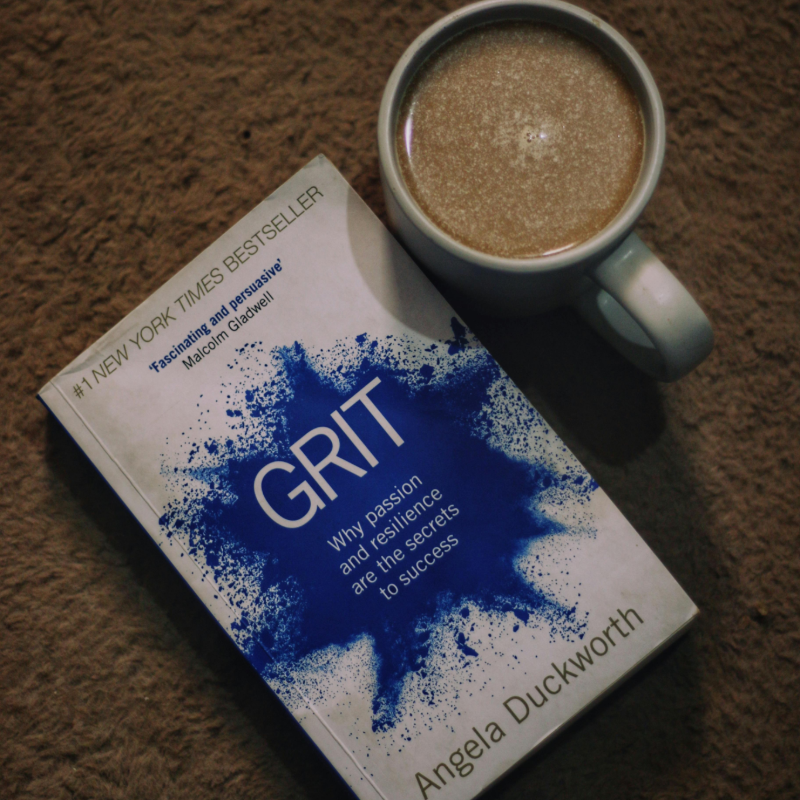
… and few embody that intersection more powerfully than Angela Duckworth, the celebrated psychologist and author of “Grit: The Power of Passion and Perseverance.”
Her life’s work—and even her life story—mirrors the very essence of Professor Joel Litman and Dr. Mark L. Frigo’s Career Driven Strategy (CDS) framework, a system for aligning purpose, persistence, and performance into a fulfilling and impactful career.

Photo from TED
The Making of a Mindset
Duckworth didn’t set out to become a world-renowned psychologist. In fact, she started out teaching math and science in public schools in New York, San Francisco, and Philadelphia.
It was there, in the chaos of real classrooms, that she started noticing something profound:
Intelligence alone didn’t determine success.
Some of her students—not necessarily the most gifted—consistently outperformed others simply because they refused to give up. They worked harder, stayed longer, and cared deeper.
That observation planted the seed for what would later become her life’s defining concept: GRIT.
Duckworth left teaching to pursue a PhD in psychology at the University of Pennsylvania, where she began researching why some people achieve more than others, even when talent levels are similar.
Her studies of West Point cadets, spelling bee finalists, and high-achieving professionals all pointed to one defining factor: The combination of passion and perseverance for long-term goals.
Her 2016 bestseller, “Grit,” catapulted the concept into the global spotlight… but beyond the buzzword lies something far more substantial: A guide to building sustainable success from within.
At first glance, Duckworth’s grit might sound like sheer willpower. However, her research and her life suggest it’s actually a strategic form of persistence.
That’s exactly where her philosophy intersects with Professor Litman and Dr. Frigo’s Career Driven Strategy (CDS).
While Duckworth’s grit explores the psychology of sustained effort, CDS maps out a structured way to direct that effort towards meaningful, ethical, and high-value career growth.
Both recognize that success isn’t random—it’s the result of aligning one’s purpose, discipline, and decisions with long-term goals.
Let’s break down how the two connect…
-
Fulfill Otherwise Unmet Needs: The Heart of Grit and Purpose
One of the core tenets of CDS is fulfilling otherwise unmet constituent needs. In business, this means identifying gaps in the market and solving problems no one else is addressing.
In personal terms, it’s about recognizing where your unique strengths can make a difference.
Duckworth’s career embodies this idea. She didn’t just chase academic prestige or follow the beaten path of psychological research. She focused on a question that wasn’t being answered—why effort sometimes beats talent.
In doing so, she filled a crucial gap in understanding human motivation.
Her curiosity wasn’t theoretical; it was practical. She wanted to empower educators, leaders, and individuals to see potential differently. That’s the very essence of the CDS mindset—using one’s skills to create meaningful value.
-
Serve the Right Constituents: Knowing Who You’re Working For
Another CDS tenet is serving the right constituents. For professionals, this means identifying the audiences, stakeholders, or communities you truly want to serve and aligning your work to benefit them.
Duckworth has been clear about who her “constituents” are: students, teachers, and anyone striving for growth.
Through her nonprofit Character Lab, she channels behavioral science to help children and schools cultivate character strengths like grit, curiosity, and self-control.
By serving educators and learners—not corporations or fleeting trends—she reinforces one of CDS’s most critical lessons: The people you choose to serve will define the meaning of your work.
-
Brand Your Offerings: Make Your Value Known
Professor Litman and Dr. Frigo emphasize the importance of branding your offerings or ensuring your professional identity communicates value and credibility. Duckworth did exactly that, but in a deeply authentic way.
She didn’t chase fame; she built trust. Her TED Talk and her bestselling book positioned her as the voice of perseverance, not because of clever marketing, but because her message resonated universally.
Her brand isn’t about hustle culture or blind ambition. It’s about intelligent effort—knowing what to pursue, when to persist, and how to pivot.
That authenticity transformed “grit” from a research term into a global movement.
-
Engage Others and Build Character
CDS stresses engagement—connecting with others, collaborating meaningfully, and building relationships that multiply impact.
Duckworth practices this through her partnerships with educators, researchers, and organizations that translate psychology into action.
Her work demonstrates that grit doesn’t exist in isolation. It’s nurtured in communities that challenge, support, and inspire growth, a principle that mirrors the CDS emphasis on ethical collaboration and long-term relationship building.
-
Ethically Maximize Your Returns
At the foundation of CDS is an important idea: Ethically maximize wealth.
However, “wealth” here doesn’t only mean money; it also means value, purpose, and legacy.
For Duckworth, grit is never about relentless self-promotion or mindless endurance. It’s about ethical ambition or pursuing goals that matter deeply, while remaining true to one’s values.
In her research and teaching, she continually reminds others that success without integrity is hollow.
In essence, Duckworth’s story is proof that grit without direction can lead to burnout, but grit with strategy leads to greatness.
Her path mirrors CDS in almost every dimension: purpose, persistence, ethics, and impact.
She didn’t just study grit; she also lived it. From leaving a high-paying consulting job to teaching in underfunded schools, and from facing academic setbacks to pioneering a global conversation about resilience, every step of her career has been a masterclass in aligning purpose with perseverance.
So… if grit is the engine that keeps you going, then strategy is the map that ensures you’re headed somewhere worth going.
Duckworth’s work gives you the psychological fuel; Professor Litman and Dr. Frigo’s framework gives you the structure.
Together, they create a blueprint for a career—and a life—driven not just by effort, but also by meaningful direction.
Now, if you’ve ever wondered how to stay committed to your goals while ensuring those goals truly matter, remember this:
Grit gets you there. Strategy keeps you there. Ethics define why you’re there.
… and when those three align?
That’s when perseverance becomes purpose, and purpose becomes legacy.
—
If you’re looking to gain a better understanding of Return Driven Strategy and Career Driven Strategy, we highly recommend checking out “Driven” by Professor Litman and Dr. Frigo.
Click here to get your copy and learn how this framework can help you in your business strategies and ultimately, in ethically maximizing wealth for your firm.
About The Dynamic Marketing Communiqué’s
“Tuesdays: Return Driven Strategy”
In the book, “Driven,” authors Professor Joel Litman and Dr. Mark L. Frigo said that the goal of every long-term successful business strategy should incorporate the combined necessity of “making the world a better place” and “getting wealthy.”
That is why they created Return Driven Strategy and Career Driven Strategy—frameworks that were built to help leaders and professionals plan and evaluate businesses so they can also help others achieve their organizational goals and career goals.
The frameworks describe the plans and actions that drive returns for anyone in an organization such as independent contractors, marketers, brand managers, communicators, and other people in any field. These actions lead to the creation of wealth and value for customers, employees, shareholders, and the society.
Every Tuesday, we’ll highlight case studies, business strategies, tips, and insights related to Return Driven Strategy and Career Driven Strategy.
In planning, building, or managing brands and businesses, these strategies, case studies, and guidelines will help you choose what specific actions to take and when to take them.
Hope you find this week’s topic interesting and helpful.
Stay tuned for next Tuesday’s “Return Driven Strategy!”
Cheers,
Adrian Kyle Vergara
Content Writer
Valens Dynamic Marketing Capabilities
Powered by VX Dynamic
www.vxdynamic.com
