


In 2024, Google, the most popular and widely used search engine, released an update that affected how websites rank in search results.
This was seen as a response to how search engine optimization (SEO) has impacted search results for the past several years.
You see, prior to the update, lots of brands and websites relied on SEO to drive traffic.
As a result, marketers and writers heavily leveraged what was considered to be SEO best practices to improve visibility and search rankings.
Though this was helpful in driving traffic, not all SEO-optimized content was relevant and useful despite ranking well.
Hence, Google’s update, which de-emphasized content that solely took advantage of SEO best practices and prioritized content that is relevant, high-quality, and user-first.
While it’s tempting to think that the problem of writers who leverage SEO ends there, that may not be the case.
Why?
AI-generated snippets, overviews, summaries, and answer boxes have been steadily making their way into search engines like Google and Bing.
For the past year, search engines like Google and Bing have been rolling out a “zero-click” approach to search results.
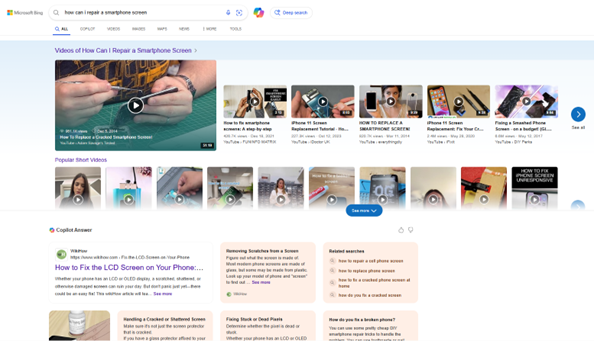
What this means is that instead of directing users to websites to help users find answers, the search engines are providing these instead through AI-generated answer boxes, snippets, and summaries.
This is a nifty feature for users who don’t necessarily have the time to read through tons of search results or articles.
Simply said, search engines are becoming more and more AI-driven… and this means writers and marketers have to take this into account when optimizing for visibility.
In short, they have to leverage what’s called generative engine optimization (GEO).
GEO, in a nutshell, is all about making sure that your content is selected by AI-powered search engines when generating answers to user queries.
Since visibility is no longer just dependent on keyword density and backlinks, those who want to drive traffic need to optimize their content so it’s visible to AI-powered search engines.
Here are a couple of things you need to take note of when taking your first steps into your GEO journey:
-
Relevance > Volume.
Unlike traditional search engines that favor keyword density, AI-powered search engines prioritize and look for relevance.
Simply said, your content needs to provide the best answer to a problem.
-
Write content that’s visible to AI.
AI-powered search engines rely on natural language processing (NLP) to generate output from user queries. That’s why it’s important to write content that’s conversational and packed with context.
More importantly, make sure to write in a tone that mirrors how users commonly phrase their questions.
Also, make sure to write clearly and directly since AI prefers content that answers queries directly.
Last but not least, craft content that anticipates and satisfies most user queries or intent (this would involve taking a deep dive into your target audience).
—
The integration of AI with search engines is still in its early stages. As of now, traditional analytics cannot fully track GEO performance and businesses have yet to fully understand how to optimize for AI-powered search engines fully.
Simply said, everything related to AI-powered search engines will be in a state of flux and the same goes for GEO.
However, it cannot be denied that AI will continue to shape how Internet searches work.
That’s why as early as now, it’s important for writers like you to know about the basics of GEO so you’ll be well-prepared for what’s to come.
… and while traditional search may be waning in the face of AI-driven search’s upward surge, this doesn’t mean SEO is about to bite the dust.
It just means your utilization and understanding of SEO has to evolve and adapt, since you can incorporate the latter’s principles while leveraging GEO strategies.
Also, this is a reminder that search engines aren’t the only way for your content to get noticed—social media and email are also viable channels in driving traffic to your content.
So, the next time you embark on a writing project, keep the insights we shared with you today in mind!
About The Dynamic Marketing Communiqué’s
“Wednesdays: Write with the Pen of the Masters”
Who doesn’t find content writing to be a skill that requires a lot of practice and effort?
In fact, many people may even find copywriting very intimidating.
However, you can be a good writer as long as you have the right tools. You won’t always get things right the first time, but with enough time and practice, you’ll get the hang of it!
When you write copy for any brand or for your company, your aim is to make an impact and…
… to get people to remember.
Getting people to remember means getting consumers to buy your product or avail of your service.
… and when you get your content to deliver the results you want, THAT is great copy!
Every Wednesday, we publish content based on tips and insights from the masters of content writing, copywriting, and storytelling.
Become more familiar with ways to write great copy that helps you gain ROI from your efforts, drive profitability, and achieve your business goals.
Learn time-tested tactics that better capture the attention of your target audience, and maximize the benefits of great copywriting.
Hope you find this week’s insights interesting and helpful.
Stay tuned for next Wednesday’s “Write with the Pen of the Masters!”
Cheers,
Dyane Diasanta
Senior Content Writer
Valens Dynamic Marketing Capabilities
Powered by VX Dynamic
www.vxdynamic.com
