


The best write-ups aren’t just contained in fewer than 500 words or so.
More often than not, killer copies and page-turners can be as lengthy as a thousand words or more… even as most readers today tend to have short attention spans and sometimes have a hard time recalling previously absorbed information.
With this in mind, how do the best writers maintain reader interest, even if their write-ups amount to more than a thousand words?
How do readers not get lost in the vast amounts of text being fed to them?
Well, the answer lies in the smart and effective utilization of headings and subheadings!
What are headings and subheadings exactly?
Simply put, these serve as guides to readers. Both typically appear at the beginning of a page or a section and briefly describe what the content after it is all about.
Headings (also known as main headings) provide big chunks of your write-up of a name or a category, enabling you to break down what you’ve written by topic or theme. This makes it easy for your readers to follow your train of thought and to backtrack or fast forward to sections that interest them.
Subheadings function similarly; however, they provide another layer of organization by dividing your main sections some more. Think of them as guides within your headings.
Organizing Content through Headings and Subheadings
When placed strategically throughout your copy, your headings and subheadings help you emphasize certain aspects of your write-up. They’re great for improving readability too, because they help you control how your audience digests your copy.
Readers typically skim through unlabeled sections of text. By utilizing headings and subheadings, you can get around this tendency because these enable you to organize information according to level of relevance.
These also make what you’ve written organized, easy to navigate, and appealing to read.
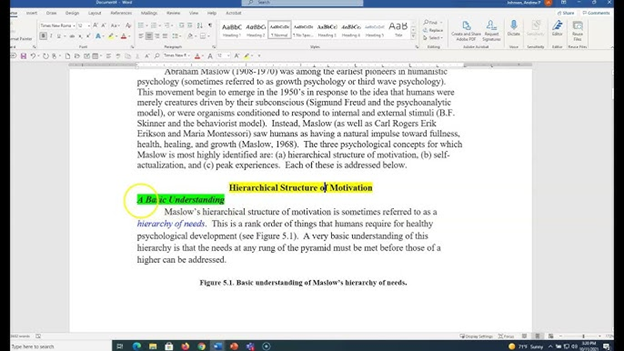
Snippet from YouTube
More importantly, these narrative devices help you structure your write-ups into logical, coherent parts, making it easy for your readers to follow your train of thought without getting lost—this is very important, especially when your content is more than a thousand words.
Last but not least, these enable readers to take breaks in between, because these serve not only as transition guides, but also visual cues for people to stop reading.
With all those said, what are the things you need to keep in mind when placing headings and subheadings?
-
Relevance – Headings and subheadings are supposed to guide readers throughout your content and help them look for information. When placing these narrative devices, make sure the words you use accurately depict the section you’re trying to describe.
-
Conciseness – Headings and subheadings are meant to clue readers in, so descriptions should be brief. These narrative devices lose their utility when they’re too wordy.
Bonus tip: Aside from helping you organize your write-ups, headings and subheadings can also make writing easier for you!
Sometimes, when drafting, there’s a tendency for writers to fall into creative blocks, making it harder for them to complete their work.
Typically, the solution to this problem is to stop writing for a while.
However, if you truly want to get something started even if it isn’t substantial, working on your headings and subheadings is beneficial because they give you a good grasp of how you want to structure the major themes and ideas in your copy.
So, even if you’re not out there writing huge chunks of text, you’re making progress already!
—
There you have it—everything that needs to be said about headings and subheadings.
While these narrative devices are often underrated, they’re one of the best tools you have at your disposal when making copies.
Not only are they beneficial in organizing your content and guiding your readers, but they’re also helpful in making your writing process easier.
We hope you learned a lot from today’s topic!
About The Dynamic Marketing Communiqué’s
“Wednesdays: Write with the Pen of the Masters”
Who doesn’t find content writing to be a skill that requires a lot of practice and effort?
In fact, many people may even find copywriting very intimidating.
However, you can be a good writer as long as you have the right tools. You won’t always get things right the first time, but with enough time and practice, you’ll get the hang of it!
When you write copy for any brand or for your company, your aim is to make an impact and…
… to get people to remember.
Getting people to remember means getting consumers to buy your product or avail of your service.
… and when you get your content to deliver the results you want, THAT is great copy!
Every Wednesday, we publish content based on tips and insights from the masters of content writing, copywriting, and storytelling.
Become more familiar with ways to write great copy that helps you gain ROI from your efforts, drive profitability, and achieve your business goals.
Learn time-tested tactics that better capture the attention of your target audience, and maximize the benefits of great copywriting.
Hope you find this week’s insights interesting and helpful.
Stay tuned for next Wednesday’s “Write with the Pen of the Masters!”
Cheers,
Dyane Diasanta
Senior Content Writer
Valens Dynamic Marketing Capabilities
Powered by VX Dynamic
www.vxdynamic.com
