


Imagine walking into a company that seems unstoppable…
Stock prices are climbing, profits are soaring, and everyone—from employees to investors—believes this is a place destined for greatness.
On paper, it looks like the dream organization: innovative, ambitious, and laser-focused on growth.
… but beneath the glittering surface, cracks are forming. Short-term wins are celebrated while long-term consequences are ignored.
Suddenly, the very foundations of the company crumble, and the fallout leaves thousands of lives and billions of dollars in ruins.
Oh no…
This is the kind of story that keeps business schools and corporate boards awake at night, and it’s a story with a lesson that aligns perfectly with Tenet 1 of the Return Driven Strategy (RDS) framework: Ethically Maximize Wealth.
Enron: A Glimpse into a Former Giant
Enron Corporation, founded in 1985 and based in Houston, Texas, was once hailed as a revolutionary force in the energy sector.
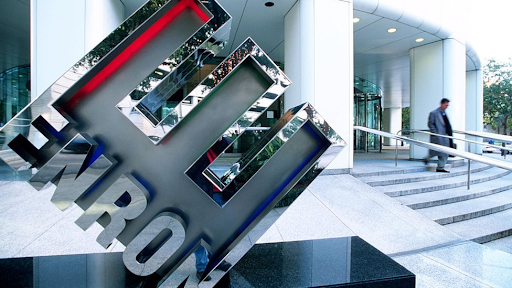
Photo from BBC
Originally a natural gas pipeline company, Enron evolved into an aggressive player in energy trading, broadband, and international projects.
Its strategy was bold: Transform a traditional utility into a trading powerhouse, constantly seeking high-growth opportunities and maximizing earnings.
By the late 1990s, Enron appeared unstoppable. Its innovative approach to energy trading, combined with aggressive financial engineering, allowed it to report explosive profits, doubling earning power between 1998 and 1999.
Analysts and investors were dazzled, and Enron became a poster child for corporate success.
The Business Strategy That Both Built and Broke It
Enron’s business strategy was a blend of market innovation, diversification, and financial creativity:
- Energy Trading and Market Dominance: Enron positioned itself as the middleman in energy markets, trading natural gas, electricity, and other commodities much like a financial institution would trade stocks.
- Diversification into High-Growth Ventures: The company ventured into broadband, water services, and international energy projects, constantly chasing opportunities for outsized returns.
- Focus on Aggressive Earnings Growth: Through mark-to-market accounting, Enron reported projected future profits immediately, creating the illusion of ever-increasing earnings.
- Complex Financial Engineering: Special purpose entities (SPEs) were used to hide debt and inflate results, presenting investors with a distorted view of the company’s financial health.
On the surface, these strategies looked brilliant.
However, they also introduced ENORMOUS risk and ethical vulnerabilities, which would later prove catastrophic.
Despite outward appearances of success, Enron’s collapse was rooted in a complete disregard for business ethics, particularly toward investors and employees.
By prioritizing short-term profits and executive gain over long-term, sustainable value, the management team violated the most fundamental principle in the RDS framework: The ETHICAL creation of wealth.
The consequences were staggering:
- Massive Job Losses: Over 20,000 employees lost their jobs, and many lost retirement savings and pensions invested in Enron stock.
- Investor Destruction: Tens of billions of dollars in shareholder value vanished almost overnight.
- Bankruptcy: In 2001, the company filed for bankruptcy, shocking the corporate world and sending ripples through the energy and financial markets.
Basically, the unethical practices—especially the use of off-balance-sheet SPEs and misleading financial reporting—undermined everything else Enron had built.
Its apparent “earning power” became meaningless because it was not grounded in real, sustainable value creation.
Lessons for Tenet 1 of Return Driven Strategy
According to Professor Joel Litman and Dr. Mark L. Frigo in their book, “Driven,” Tenet 1 of RDS emphasizes that all business strategies must be anchored in ethical wealth creation.
A company may show strong profits and rapid growth, but if these gains come at the expense of ethical conduct, stakeholder trust, or long-term sustainability, they are illusory and ultimately destructive.
Enron is a textbook example of what happens when Tenet 1 is ignored:
- Earning Power Without Ethics Fails: Temporary increases in reported profits cannot substitute for genuine value creation.
- Stakeholder Trust is Fragile: Employees, investors, and customers are essential constituents. When they are misled or exploited, the damage multiplies beyond financial loss.
- Long-Term Wealth Requires Integrity: Sustainable wealth is impossible if short-term gains are prioritized over ethical behavior.
In essence, Enron’s story demonstrates that no amount of strategic brilliance can compensate for unethical leadership and misaligned incentives.
The company’s spectacular rise—and devastating fall—serves as a cautionary tale for any business trying to maximize returns.
Clearly, the Enron saga is more than a historical scandal; it’s also a living lesson in strategy.
It reminds us that Tenet 1 of RDS is non-negotiable: Companies must commit to creating long-term, sustainable wealth ethically.
Without this commitment, even the most innovative strategies, cutting-edge markets, or impressive earnings growth can collapse, leaving devastation in their wake.
For leaders, investors, and managers, Enron is a stark warning:
Success is measured not by short-term gains, but by the ethical, sustainable creation of value that stands the test of time.
—
If you’re looking to gain a better understanding of Return Driven Strategy and Career Driven Strategy, we highly recommend checking out “Driven” by Professor Litman and Dr. Frigo.
Click here to get your copy and learn how this framework can help you in your business strategies and ultimately, in ethically maximizing wealth for your firm.
About The Dynamic Marketing Communiqué’s
“Tuesdays: Return Driven Strategy”
In the book, “Driven,” authors Professor Joel Litman and Dr. Mark L. Frigo said that the goal of every long-term successful business strategy should incorporate the combined necessity of “making the world a better place” and “getting wealthy.”
That is why they created Return Driven Strategy and Career Driven Strategy—frameworks that were built to help leaders and professionals plan and evaluate businesses so they can also help others achieve their organizational goals and career goals.
The frameworks describe the plans and actions that drive returns for anyone in an organization such as independent contractors, marketers, brand managers, communicators, and other people in any field. These actions lead to the creation of wealth and value for customers, employees, shareholders, and the society.
Every Tuesday, we’ll highlight case studies, business strategies, tips, and insights related to Return Driven Strategy and Career Driven Strategy.
In planning, building, or managing brands and businesses, these strategies, case studies, and guidelines will help you choose what specific actions to take and when to take them.
Hope you find this week’s topic interesting and helpful.
Stay tuned for next Tuesday’s “Return Driven Strategy!”
Cheers,
Adrian Kyle Vergara
Content Writer
Valens Dynamic Marketing Capabilities
Powered by VX Dynamic
www.vxdynamic.com
