


In the fast lane of business, the only constant is change. As the Greek philosopher Heraclitus said:
“Everything changes, and nothing remains still; and you cannot step twice into the same stream.”
This insight is particularly relevant in the world of business, where staying static can lead to a company’s downfall. Sometimes, to thrive and survive, businesses have to switch gears and overhaul their entire engine.
Did you know that in 2018, one of the most recognized ride-hailing services in the world decided to do just that?
Faced with mounting criticism and leadership controversies, this company hit the brakes, took a sharp turn, and embarked on a complete overhaul of its identity.
So, for today’s article, we’ll explore the motivations behind that rebranding, the lessons such a move offers, and whether or not the rebrand succeeded.
A Step Towards A New Direction: How Uber Boldly Reinvented Itself

Photo from Britannica
Uber Technologies Inc., founded in 2009 by Travis Kalanick and Garrett Camp, revolutionized urban transportation.
The company quickly became synonymous with convenience and innovation, expanding beyond ride-hailing into food delivery, freight transport, and more.
Yet, despite its dominance, Uber’s journey wasn’t without bumps in the road. In 2018, Uber found itself at a crossroads, plagued by a toxic corporate culture and leadership scandals.
So, to steer itself back on course, Uber embarked on a mission to reinvent itself. The rebranding began with the appointment of a new CEO, Dara Khosrowshahi, who set the tone for a complete transformation.
One of his first actions was to change the company’s logo—a symbolic shift from Uber’s previous identity.
The new logo, introduced in 2018, was a clean departure from its predecessor. The old dark teal logo, which had become associated with the company’s troubled past, was replaced with a sleek wordmark.
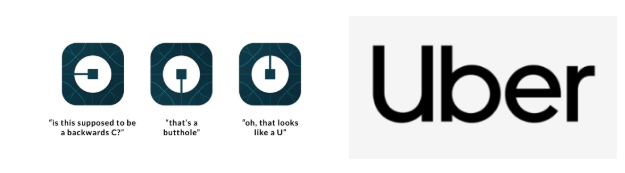
This new design was more than just a visual update; it also represented a shift in Uber’s core values—mobility, accessibility, and friendliness.
There’s more!
The rebrand was not just about aesthetics. Uber also diversified its offerings, expanding beyond passenger transportation to include services like Uber Eats and Uber Freight. This broadened the concept of mobility, making Uber not just a ride-hailing service but also a comprehensive platform for various transportation needs.
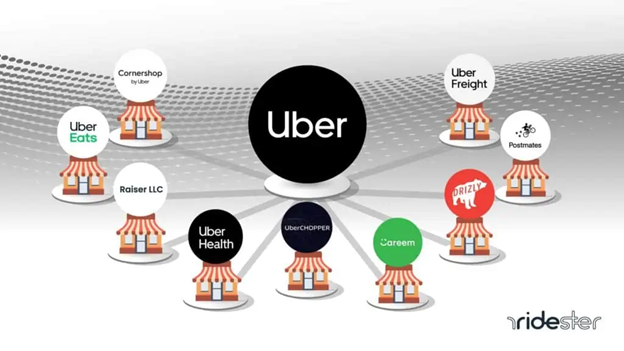
Photo from Ridester
Accessibility became a key focus as well. Uber enhanced its app with features like upfront pricing and real-time tracking, giving users more control and predictability.
Furthermore, the addition of text-based communication made the service more inclusive for riders and drivers with hearing impairments.
What else did Uber do?
To further emphasize its new identity, Uber overhauled its brand system by adopting a composition system for its advertising and promotional materials, ensuring the brand was easily recognizable across all platforms.
Warmer and friendlier designs replaced the cold and impersonal aesthetics of the past, reinforcing the message of accessibility and approachability.
This bold rebranding effort paid off!
By breaking away from its previous identity, Uber distanced itself from the controversies of its former leadership. The clean visual break helped redefine the company’s image, pushing it into a new era of growth and success.
The results of this bold move spoke for themselves! The company’s revenue jumped by 42%, from USD 7.94 billion in 2017 to USD 11.27 billion in 2018.
Clearly, the rebrand not only redeemed Uber in the eyes of consumers but also attracted new users, driving up the company’s profits.
Rebranding Done Right: The Key to Success
In their book, “Driven,” Professor Joel Litman and Dr. Mark L. Frigo emphasize the importance of branding in driving high returns.
According to Return Driven Strategy’s (RDS) Tenet 6 (Brand Offerings):
“The value of branding and branding activities is in the time saved by the customer who can quickly understand the offering and the need it fulfills by simply recognizing the brand.”
Uber’s rebrand is a great example of this principle in action!
The transition from a confusing logo to a sleek wordmark made the brand more identifiable and easier for customers to understand. This saved time and mental effort, making it easier for users to choose Uber for their transportation needs.
Moreover, the rebrand helped dispel the negative perceptions associated with the company’s past. By aligning its brand with values like friendliness and accessibility, Uber fostered deep emotional connections with customers, driving loyalty and trust.
—
Based on today’s case study, it is clear that rebranding can transform a company for better or worse.
When done right, as Uber demonstrated in 2018, rebranding can lead to incredible success. The key to doing this right?
It’s in clearly defining the brand’s identity and purpose, conducting thorough research, and ensuring that the rebranding strategies align with customer expectations and the company’s strengths.
For those of you looking to reinvent your business, Uber’s story offers a valuable lesson: Sometimes, the road to success requires a sharp turn and a fresh start.
By embracing change and boldly redefining your identity, you and your brand will not only survive but also accelerate to new heights.
If you’re looking to gain a better understanding of Return Driven Strategy and Career Driven Strategy, we highly recommend checking out “Driven” by Professor Litman and Dr. Frigo.
Click here to get your copy and learn how this framework can help you in your business strategies and ultimately, in ethically maximizing wealth for your firm.
About The Dynamic Marketing Communiqué’s
“Tuesdays: Return Driven Strategy”
In the book, “Driven,” authors Professor Joel Litman and Dr. Mark L. Frigo said that the goal of every long-term successful business strategy should incorporate the combined necessity of “making the world a better place” and “getting wealthy.”
That is why they created Return Driven Strategy and Career Driven Strategy―frameworks that were built to help leaders and professionals plan and evaluate businesses so they can also help others achieve their organizational goals and career goals.
The frameworks describe the plans and actions that drive returns for anyone in an organization such as independent contractors, marketers, brand managers, communicators, and other people in any field. These actions lead to the creation of wealth and value for customers, employees, shareholders, and the society.
Every Tuesday, we’ll highlight case studies, business strategies, tips, and insights related to Return Driven Strategy and Career Driven Strategy.
In planning, building, or managing brands and businesses, these strategies, case studies, and guidelines will help you choose what specific actions to take and when to take them.
Hope you find this week’s topic interesting and helpful.
Stay tuned for next Tuesday’s “Return Driven Strategy!”
Cheers,
Adrian Kyle Vergara
Content Writer
Valens Dynamic Marketing Capabilities
Powered by VX Dynamic
www.vxdynamic.com
