

Have you ever stared longingly at a slice of cake or a fizzy drink, doing mental gymnastics over calories, carbs, and whether your gym membership justifies it?
Yes?
No?
Well, for those of you who have, you’re not alone.
In fact, the tug-of-war between cravings and consciousness is real—and even global giants aren’t immune to this shift in mindset.
To demonstrate this even further, let’s take a look at one of the world’s most iconic beverage companies…
For decades, this brand was synonymous with carefree refreshment. However, when people started reading labels and counting grams of sugar like they were tracking stocks, the game changed.
Staying dominant in such an evolving market meant one thing for this company: Change or be left behind.
Sipping into the Future
Photo from Kantar
Coca-Cola—the fizzy legend with a legacy longer than most companies’ lifespans—was suddenly up against a generation of consumers who wanted more from their drinks: Less sugar, more consciousness, and absolutely no sacrifice on taste.
The challenge?
Create a product that fits this new lifestyle without betraying the essence of the classic Coca-Cola experience.
So, what was the company’s answer?
Enter Coca-Cola Zero Sugar—a bold move that leaned into the health trend while holding onto flavor nostalgia like a pro.
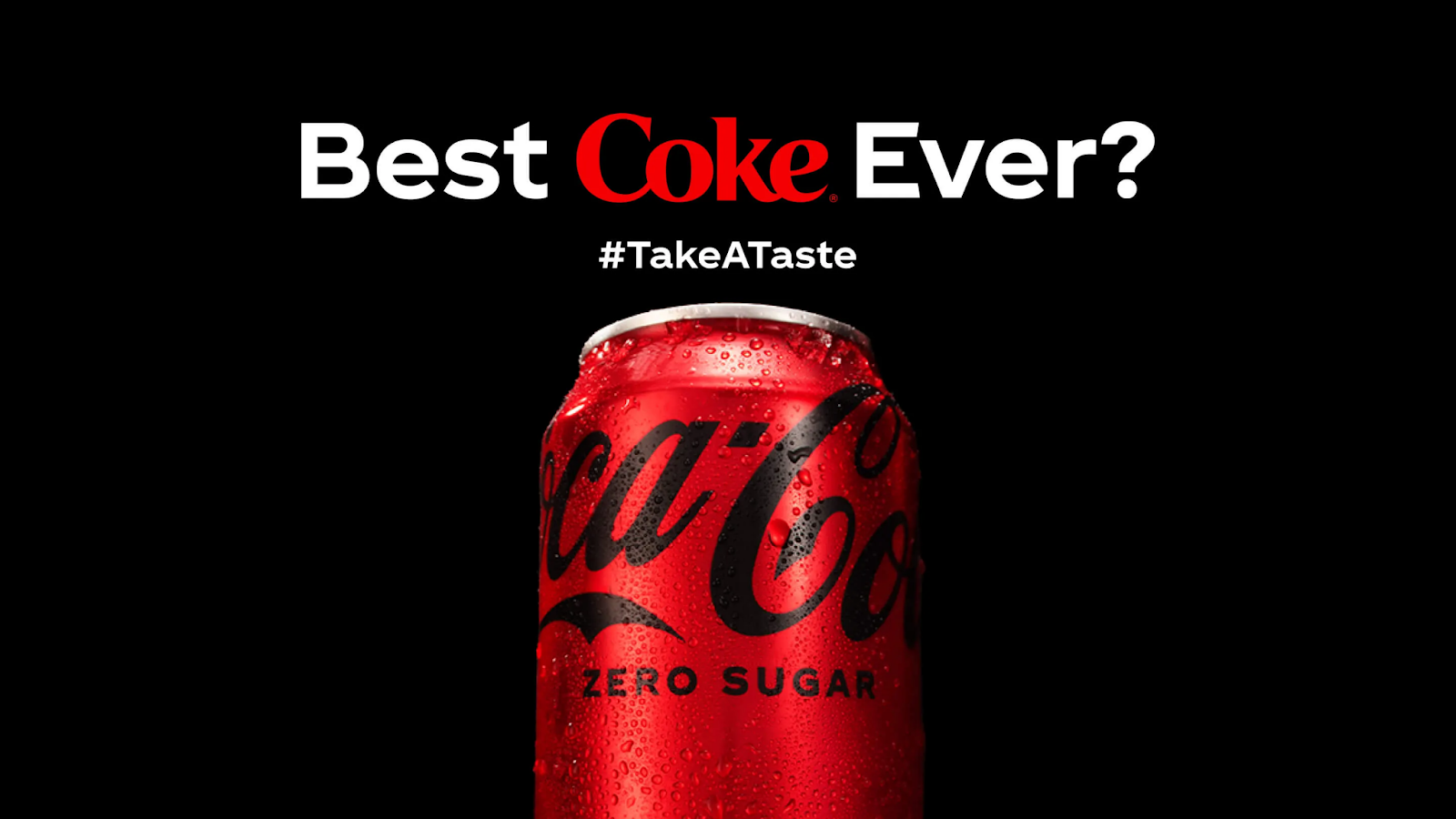
Photo from Coca-Cola.com
In making this product, Coca-Cola didn’t just slap a “zero sugar” label on a can and call it a day. The company went all in.
The team reformulated the recipe of Coke Zero to taste nearly identical to the original Coke, going through extensive rounds of taste tests and feedback loops.
This enabled the company to listen carefully to what consumers actually wanted—not just less sugar, but also no compromise in flavor.
Then came the strategic marketing rollout…
“Zero Sugar, Same Great Taste” wasn’t just a tagline; it was also a promise. Coca-Cola backed it up with smart partnerships, aligning with high-visibility events such as the FIFA World Cup and tapping into digital platforms that reached younger demographics.
What else?
The company didn’t alienate its traditional customer base either. The original Coca-Cola remained unchanged, still widely available and loved. It’s just that now, there was another option—a healthier one—for those evolving with the times.
Here’s where things get really interesting…
Coca-Cola’s approach aligns with Tenet 10 of Professor Joel Litman and Dr. Mark L. Frigo’s Return Driven Strategy (RDS): Balance Focus and Options.
If you remember in past articles, RDS is a framework designed to help businesses build long-term, sustainable value.
Tenet 10, specifically, is about the strategic art of managing your core focus—the thing you’re known for and best at—while simultaneously exploring new opportunities that align with changing markets and emerging needs.
That’s exactly what Coca-Cola did!
The company’s core focus?
Delivering delicious, refreshing carbonated beverages with a nostalgic, emotional tie to the classic Coke experience.
The company’s option?
Launching a zero-sugar version to meet the rising demand for healthier alternatives without compromising on taste or brand identity.
So, why does this matter?
Think about this: Most companies struggle when trying to chase trends. They either pivot so hard they lose their identity, or they stick to what they know and miss the boat entirely.
Unlike such companies, Coca-Cola struck the balance. It didn’t reinvent the wheel; they offered a new version of it—one that still rolled just as smoothly for their audience.
Basically, the Zero Sugar line wasn’t just a product innovation but also a strategic expansion that respected the brand’s legacy while preparing it for the future.
The Results
As it turns out, the world liked what the Coca-Cola Zero Sugar tasted.
Furthermore:
- Coca-Cola is consistently the top soft drink brand worldwide, with a brand value of over USD 98 billion.
- In 2018, 44.34% of U.S. consumers aged 18 to 29 had consumed Coca-Cola Zero in just four weeks.
- In 2020, Forbes ranked Coca-Cola 6th on its list of the World’s Most Valuable Brands.
- In 2023, Coke Zero Sugar sales grew by 5%, more than double the growth of the company’s total portfolio, which saw just 2%.
The numbers clearly confirm it: Staying true to your core while embracing calculated innovation leads to sustainable, profitable growth!
So, what’s the takeaway here?
First, balancing focus with innovation is no longer optional—it’s essential.
Coca-Cola showed us that even the most iconic brands must be willing to evolve. The company also taught us that evolution doesn’t mean starting from scratch. It simply means listening, adapting, and extending your value in new directions without abandoning what made you successful in the first place.
Second, tenet 10 isn’t about choosing between now and next. It’s about mastering both.
Whether you’re a startup looking for your next opportunity or a legacy brand navigating modern trends, the Coca-Cola Zero Sugar strategy is a masterclass you can take inspiration from.
So, are you craving growth?
Maybe now is the time to ask:
What’s your “Zero Sugar” move?
Answering this question could lead you to the growth breakthrough you’re longing for.
—
If you’re looking to gain a better understanding of Return Driven Strategy and Career Driven Strategy, we highly recommend checking out “Driven” by Professor Litman and Dr. Frigo.
Click here to get your copy and learn how this framework can help you in your business strategies and ultimately, in ethically maximizing wealth for your firm.
About The Dynamic Marketing Communiqué’s
“Tuesdays: Return Driven Strategy”
In the book, “Driven,” authors Professor Joel Litman and Dr. Mark L. Frigo said that the goal of every long-term successful business strategy should incorporate the combined necessity of “making the world a better place” and “getting wealthy.”
That is why they created Return Driven Strategy and Career Driven Strategy—frameworks that were built to help leaders and professionals plan and evaluate businesses so they can also help others achieve their organizational goals and career goals.
The frameworks describe the plans and actions that drive returns for anyone in an organization such as independent contractors, marketers, brand managers, communicators, and other people in any field. These actions lead to the creation of wealth and value for customers, employees, shareholders, and the society.
Every Tuesday, we’ll highlight case studies, business strategies, tips, and insights related to Return Driven Strategy and Career Driven Strategy.
In planning, building, or managing brands and businesses, these strategies, case studies, and guidelines will help you choose what specific actions to take and when to take them.
Hope you find this week’s topic interesting and helpful.
Stay tuned for next Tuesday’s “Return Driven Strategy!”
Cheers,
Adrian Kyle Vergara
Content Writer
Valens Dynamic Marketing Capabilities
Powered by VX Dynamic
www.vxdynamic.com
