


There’s a certain kind of creator who doesn’t flood your feed, doesn’t chase every trend, and doesn’t beg for attention.
… yet somehow, this person commands it anyway.
You rarely see this person everywhere, but when he or she does appear, the Internet seems to pause.
Conversations spike. Think pieces multiply. People lean in.
You see, in a world obsessed with constant output and relentless visibility, this kind of presence feels almost rebellious. It raises an intriguing question:
“What if the secret to influence isn’t about being louder, faster, or more frequent, but about being intentional?”
That question sits at the heart of the career of Frank Ocean, one of the most enigmatic and influential artists of the modern era.
Interestingly, he is also an unexpected blueprint for businesses and marketers trying to stand out in a saturated marketplace.
We’ll learn more about him here…
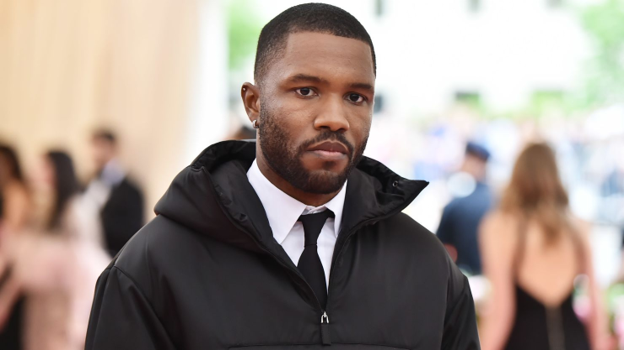
Photo from CNN
Born Christopher Edwin Breaux in 1987, Ocean grew up in New Orleans, a city steeped in musical heritage. His early exposure to jazz and local culture shaped his artistic sensibilities, but his path to stardom was anything but instant.
Before becoming a celebrated solo artist, Ocean worked behind the scenes as a songwriter for major pop acts, contributing to tracks for artists like Beyoncé and Justin Bieber. This apprenticeship sharpened his understanding of mainstream music while giving him insight into the mechanics of the industry.
His breakthrough arrived in 2011 with the independently released mixtape “Nostalgia, Ultra.”
The project spread rapidly online, earning critical acclaim for its atmospheric sound and emotionally raw storytelling. It signaled the arrival of a voice that felt intimate, poetic, and refreshingly unconventional.
There’s more!
Ocean’s 2012 debut studio album, “Channel Orange,” propelled him into global recognition. The album explored themes of love, identity, and vulnerability with a genre-blending sound that merged R&B, soul, and experimental pop. It won a Grammy Award and cemented his reputation as a creative force.
Then came “Blonde” in 2016, an album that defied industry expectations with its minimalist production and fragmented structure. Widely regarded as one of the defining albums of the 2010s, it demonstrated Ocean’s willingness to prioritize artistic vision over commercial formulas.
Equally important is his cultural impact. Ocean is known for his privacy and deliberate distance from celebrity culture—a groundbreaking moment in mainstream R&B and hip-hop that resonated far beyond music.
However, beyond his artistry lies a fascinating case study in modern branding and marketing strategy.
- Lesson 1: Scarcity Builds Desire
Ocean’s release schedule is famously sparse—years can pass without a major project. In an age where creators are encouraged to post daily and produce endlessly, his approach feels counterintuitive.
Yet, this scarcity is what exactly fuels anticipation. Each release becomes an event. As a result, fans don’t just listen; they also wait, speculate, and celebrate.
For businesses, this highlights a powerful principle: More isn’t always more.
Strategic scarcity—whether through limited product drops, exclusive offerings, or carefully timed launches—can heighten perceived value and create urgency.
Besides, when customers feel something is rare, it becomes more meaningful. - Lesson 2: Control Your Narrative
Ocean’s public persona is carefully curated. He gives few interviews, avoids oversharing, and communicates primarily through his work. This restraint creates a sense of mystique that strengthens his brand.
Companies often feel the pressure to be omnipresent on every platform. However, Ocean’s career suggests that intentional communication can be more impactful than constant noise.
A clear brand narrative—one that’s consistent and purposeful—builds trust and intrigue. By choosing when and how to speak, businesses can maintain control over their story rather than letting it be shaped by external chatter. - Lesson 3: Authenticity Is a Competitive Advantage
Ocean’s music stands out because it feels deeply personal. He doesn’t chase trends; he follows his own creative compass. That authenticity resonates with audiences who crave originality in a landscape crowded with imitation.
For marketers, authenticity isn’t just a buzzword but also a strategic differentiator. Brands that clearly express their values and voice attract communities that feel emotionally invested.
After all, consumers today are highly attuned to inauthentic messaging. Therefore, companies that align their actions with their stated values foster stronger, longer-lasting relationships with their audiences. - Lesson 4: Build a Community, Not Just an Audience
Ocean’s fanbase is intensely engaged. His listeners analyze lyrics, share interpretations, and form communities around his work. This depth of engagement transforms passive listeners into active participants.
Businesses can learn from this by focusing on community-building rather than simple audience growth. A passionate niche community often generates more advocacy and loyalty than a large but indifferent following.
Encouraging dialogue, user participation, and shared identity helps customers feel like stakeholders in a brand’s journey. - Lesson 5: Understand the Business Behind the Art
One of Ocean’s most discussed moves was his innovative release strategy in 2016. After fulfilling contractual obligations with one project, he independently released “Blonde,” reportedly allowing him to retain greater ownership and financial control.
This maneuver demonstrated that creative success and business acumen are not mutually exclusive. Ocean understood the structural dynamics of his industry and leveraged them strategically.
For entrepreneurs and marketers, this underscores the importance of industry literacy. Knowing how contracts, distribution channels, and ownership structures work can create opportunities for greater autonomy and profitability. - Lesson 6: Create Experiences, Not Just Products
Ocean treats his projects as immersive experiences. His albums are accompanied by visual aesthetics, curated imagery, and layered storytelling that extend beyond the music itself.
This holistic approach elevates his releases into cultural moments.
Brands that think beyond their core product—considering packaging, storytelling, and customer experience—create more memorable interactions.
Remember: An experience-driven strategy turns transactions into relationships. - Lesson 7: Play the Long Game
Perhaps the most striking aspect of Ocean’s career is his commitment to long-term brand building. He prioritizes artistic integrity and cohesive identity over short-term trends or rapid output.
Businesses often chase immediate metrics at the expense of enduring value. Ocean’s trajectory suggests that patience and consistency in vision can yield lasting cultural relevance.
Besides, sustainable success comes from thinking in years, not quarters.
See?
Ocean’s influence clearly extends far beyond his discography. He represents a model of creative and strategic intentionality—a reminder that impact isn’t always about volume.
For businesses and marketers navigating an increasingly crowded landscape, Ocean’s career offers a counterintuitive but compelling lesson:
Sometimes the most powerful move is not to shout louder, but to speak with clarity, authenticity, and purpose.
In doing so, you don’t just capture your target audience’s attention; you also earn it—and keep it.
About The Dynamic Marketing Communiqué’s
“Mondays: Marketing Marvels”
Too often, industry experts and the marketing press sing the praises of some brand or company’s marketing strategy.
… only for the audience to later find out that its product was a flop, or worse, that the brand or company went bankrupt.
The true ROI in marketing can’t be separated from the business as a whole.
What good is a marketing case study if one can’t prove that the company’s efforts actually paid off?
At the end of the day, either the entire business is successful or it isn’t. And the roles of marketing and communication are always paramount to that success.
Every Monday, we publish a case study that highlights the world’s greatest marketing strategies, marketers, and communicators.
However, the difference between our articles and the numerous ones out there is that we will always make certain that the firm really did generate and demonstrate earning power worthy of study in the first place in keeping with a person’s leadership skills in the area of marketing and/or communication.
We’ll also study the greatest marketing fails and analyze what they did wrong, or what they needed to improve. We all make mistakes, but better we learn from others’ mistakes—and earlier, rather than later.
Hope you find this week’s topic interesting and helpful.
Stay tuned for next Monday’s “Marketing Marvels!”
Cheers,
Adrian Kyle Vergara
Content Writer
Valens Dynamic Marketing Capabilities
Powered by VX Dynamic
www.vxdynamic.com
